
 03 Mar 2026
Tags: Whole Milk, dairy trends, Dairy, Tom Parker Creamery, clean label, Raw milk, unhomogenised milk

With ultra-processed foods firmly in the spotlight, many shoppers are rethinking what real food looks like, and milk is right at the centre of the conversation.
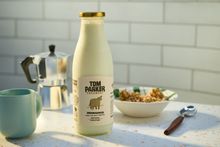
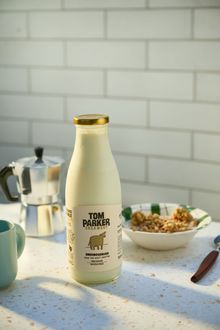
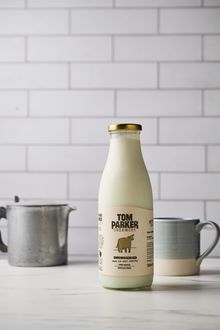
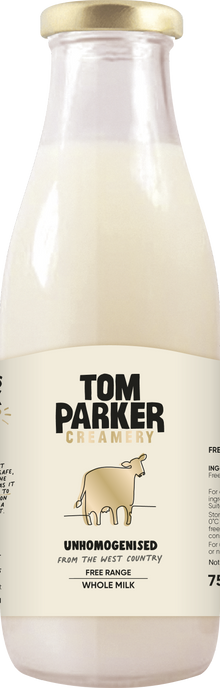
If you're looking to get back to basics with your food choices, Tom Parker Creamery is leading the way with its Unhomogenised Whole Milk. Richly textured, creamy and minimally processed, it's milk very close to its natural state, just one step away from raw milk and much nearer to how it comes from the cow.
Produced using milk from free-range West Country farms within 40 miles of the Somerset creamery and bottled in traditional glass, it's a great option for anyone who wants something more natural and less processed than typical supermarket milk. Available in Tesco and Ocado, it's quietly growing in popularity, as more people look to dial back processing in their diets.
But what does unhomogenised mean and is it worth the switch? With so many options lining the supermarket dairy aisle, choosing the right milk can feel surprisingly complicated, especially for busy shoppers short on time.
We asked independent Clinical Nutritionist Eva Humphries MSc, DipION, mBANT, CNHC for the scoop on unhomogenised milk:
What is homogenisation?
“Homogenisation is a mechanical process where milk is forced through tiny nozzles at high pressure to break fat globules into very small, uniform particles. This stops the cream from rising and gives supermarket milk that consistent, smooth texture.”
What is unhomogenised whole milk?
“Unhomogenised milk has not been mechanically altered. The fat globules remain their natural size, so the cream rises to the top, a sign the milk is closer to its original state.”
Why do many people prefer unhomogenised whole milk? What are the benefits?
“The taste and texture of unhomogenised milk can be a real advantage. Despite having the same nutritional value as homogenised milk, the larger fat droplets in unhomogenised milk create a luxurious texture. There isn't any more fat present, we just perceive it to be creamier. Then there is that wonderful, sweet layer of cream that rises to the top. Pure nostalgia.
“Lastly, based on the available evidence, unhomogenised milk can be perceived to be more filling. The larger fat droplets may slow the rate of digestion, which in turn can support satiety.
“This is a real positive, especially since feeling full and satisfied from food is linked with a healthier body weight.”
How does unhomogenised whole milk compare to other milk on the supermarket shelf?
“There are four broad categories of dairy milk available to consumers: raw, unhomogenised, homogenised and lower fat options.
“Raw milk is fully unprocessed; however, under existing regulations, it can only be sold at farm gates. This leaves unhomogenised whole milk as the least processed milk found in supermarkets.
“Here is an overview of the different types of milk available from supermarket shelves:
Unhomogenised whole milk – heat-treated (pasteurised) to kill pathogens. Unhomogenised to leave the natural fat in its natural state.
Homogenised whole milk – pasteurised to kill pathogens and homogenised to break down and disperse the fat globules.
Semi-skimmed milk – pasteurised, homogenised and some of the fat has been removed
Skimmed milk - pasteurised, homogenised and most of the fat has been removed”
What are the advantages of whole milk?
“Succinctly, whole milk contains the most nutrients from the full milk range. The fat within whole milk holds on to fat-soluble vitamins such as vitamin A, D, E and K and contains other nutrients such as choline.
“These essential nutrients are usually greatly reduced when the fat is removed during the skimming process.
“Furthermore, whole milk is better at supporting satiety than reduced-fat versions. The extra fat may be helpful to keep blood sugar balanced, keeping us fuller for longer and reducing overeating.”
Growth in consumer demand for natural whole milk
According to the Agriculture and Horticulture Development Board (AHDB), in an environment increasingly wary of UPFs, whole milk is holding its own. The category experienced a 2.9% rise in volume over the past year, now accounting for 31% of cow's milk sales.
Mintel also reports that cow's milk is often seen as minimally processed, with 63% of consumers prioritising its naturalness over its nutritional content, making it a preferred choice amid the spotlight on UPFs (Mintel, Dairy and Dairy Alternative Drinks, Milk and cream, 2024).
-Ends-
About Tom Parker Creamery:
Tom Parker began farming in 1921 with 14 cows, delivering milk locally by horse and cart. Known for his dedication to hard work and quality, his legacy lives on through Tom Parker Creamery today; to deliver high-quality, natural dairy products to many.
Today, based in Wincanton in Somerset, Tom Parker Creamery uses free-range British milk from mixed breed grass-fed herds within 40 miles of the dairy and the finest natural ingredients, partnering with small British family farms to ensure the best possible conditions for their cows. Glass bottles and paper labels reflect a commitment to sustainability and evoke the tradition of Tom Parker's original milk deliveries.
Find out more at https://www.tomparkercreamery.com.
About Eva Humphries
Eva Humphries MSc, DipION, mBANT, CNHC is a clinical nutritionist, cookery demonstrator and speaker known for blending nutrition science with a refreshingly relaxed approach to food.
Eva has spent a decade helping individuals feel good via clever nutrition by providing evidence-based insights, practical takeaways and a reassuring reminder that eating well should be enjoyable.
Follow Eva on Instagram @wholefoodwarrior.

